Wine & spirits
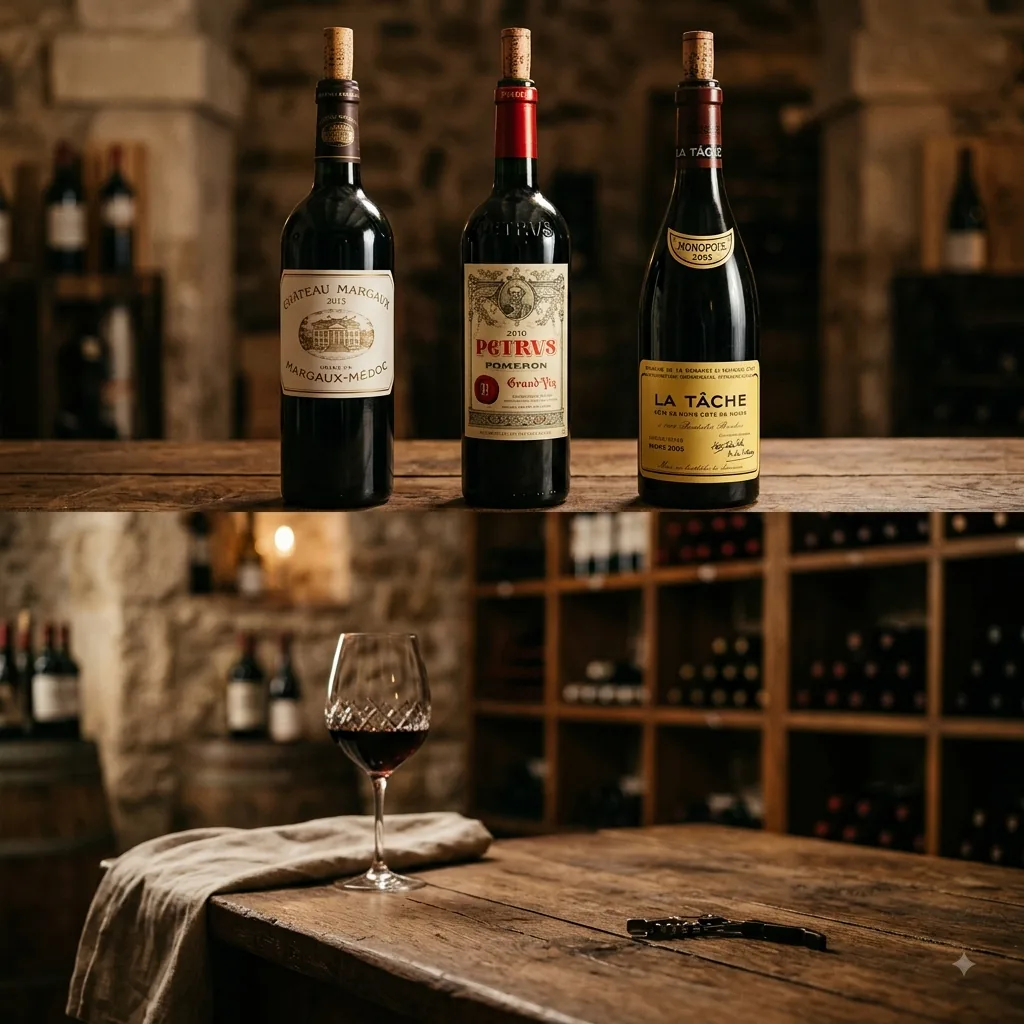
Refilled bottles and forged labels attack the highest-value end of the market. The chip binds the closure to the ledger, so tampering is evident and provenance is checkable before a cork is pulled.
Authenticity is the whole of the value in wine and spirits, and fakes are easy to make. A refilled bottle with a forged label can be assembled for very little and sold for a great deal, and the market runs largely on trust in the seller.
The deeper problem is that checking destroys the thing being checked. Confirming what is in a rare bottle means opening it, and an opened bottle is no longer the asset it was. Provenance is therefore asserted rather than verified, which is precisely the gap counterfeiters work in.
A Rethentic chip embedded at manufacture, or in some cases fitted later, binds the closure to the ledger. Tampering is evident and provenance is checkable before a cork is pulled, so owners no longer trade away value to find out what they have. With additional sensing, a bottle can also report its own storage history and confirm it has been kept under optimal conditions.
Want to see how this works on your own product line?
Book a demo